

ENVIRONMENT
Setting the Standard for Environmental Excellence
Area Under Sustainability Certifications
90%
FY 23

100%
FY 24
(IGBC AND BEE ENERGY STAR, IS0 14001:2015, ISO 45001:2018, ISO 50001:2018)
Area Under Quality Certifications
100%
FY 23
100%
FY 24
(ISO 9001:2015, ISO 14001:2015, ISO 45001:2018 AND 5S EXCELLENCE)

KEY OBJECTIVES
Propelling Towards A Greener Future

KEY OBJECTIVES
Propelling Towards A Greener Future

Key Initiatives

Key Initiatives
1.
Sustainable assets
All our campuses focus on energy efficiency, reducing water consumption, promoting recycling, and improving indoor air quality, for the occupants to have a healthy working environment.
2.
Rooftop renewables
We have installed rooftop solar panels at several of our campuses to address our power needs and have seen a significant reduction in our carbon emissions as a result.
3.
Sustainable outreach
We integrate sustainability into all our community outreach programs, with initiatives that support our mission to drive positive change and create a more sustainable future for everyone.
4.
Taking action
We've expanded our people initiatives to include ESG metrics and implemented focused measures to raise environmental awareness among our employees.
Environmental stewardship
Sustainable Development and Operations




Air Quality
Real-Time Monitoring of Indoor Air Quality (IAQ) across All Our Assets
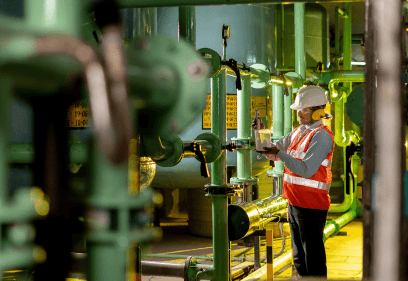
With the aim of enhancing air quality and benefiting employee health across all our assets, we are actively monitoring Indoor Air Quality (IAQ) in all our lobbies and displaying the data to improve awareness among our occupants and visitors. IAQ monitors have been installed in air handling units throughout our Candor TechSpace campus in Gurugram to facilitate continuous real-time monitoring of health and well-being indicators. Key features of this initiative - Awareness among occupiers, visitors and staff - Prevention of Sick Building Syndrome - Swift detection of harmful chemicals - Ensuring adequate ventilation - Implementation of effective strategies to enhance air quality
Read More

GHG Emissions
Internal Carbon Pricing: Pilot Study
In the face of today’s environmental challenges, Internal Carbon Pricing (ICP) stands as a pivotal mechanism to embed the true cost of carbon emissions into corporate decision-making. At Brookfield India REIT, as we strive to meet our Science Based Targets initiative (SBTi) commitments, we have begun crafting a decarbonization roadmap, starting with an in-depth analysis of a principal asset. This marks the beginning of a comprehensive strategy to expand our efforts across the full spectrum of our portfolio. Based on the decarbonization interventions identified, we have derived an Internal Carbon Pricing (ICP) that reflects the abatement costs and emissions reductions pertinent to Scope 1 and Scope 2 activities until the near-term target year 2030. This focused metric serves as an initial step towards quantifying the financial impact of our carbon emissions and integrating this consideration into our broader environmental strategy. The ICP is already proving to be a transformative element within our company, reshaping the way our business functions perceive and address emissions. By equating emissions reduction to monetary value, we are creating a universal language that resonates across all departments, encouraging a collective move towards environmentally conscious operations. As we progress with the decarbonization roadmaps for our remaining assets, ICP will be refined to fully encapsulate our environmental impact. In the future, our intention is to leverage the refined ICP to inform our investment decisions in low-carbon technologies and to assess potential future carbon tax implications.
Read More

Air Quality
Retrofit Emission Control Devices (RECD) to Combat Air Pollution
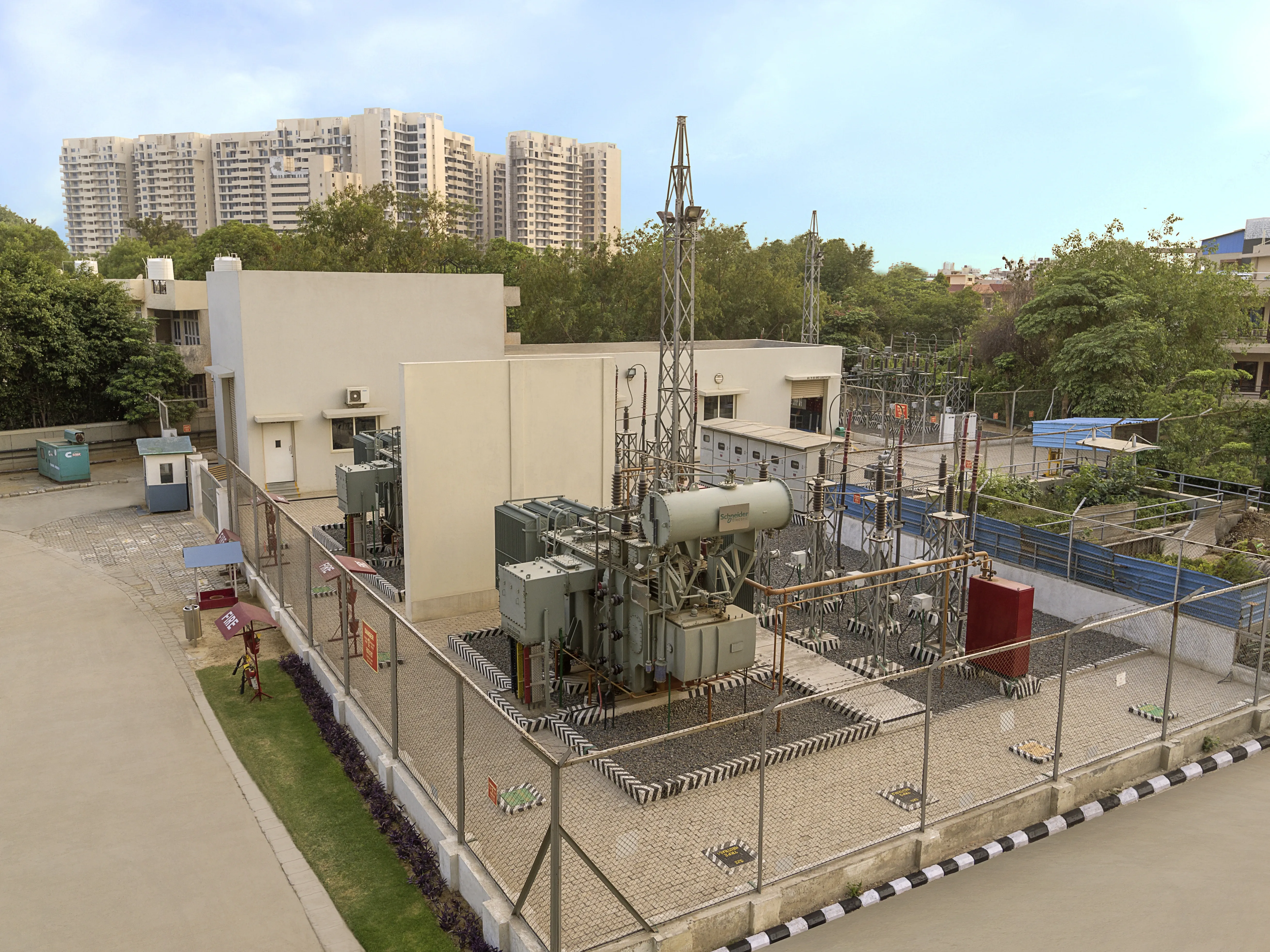
To combat outdoor air pollution from industrial and automotive sources, we have implemented advanced Retrofit Emission Control Devices (RECD), such as Diesel Oxidation Catalysts (DOC) and Diesel Particulate Filters (DPF). These technologies effectively capture and neutralize harmful emissions like nitrogen oxides(NOx), carbon monoxide and particulate matter, thereby significantly enhancing air quality and ensuring compliance with stringent environmental regulations. These RECD devices require minimal maintenance, with no need for consumables with low initial and operational expenses. Their compact design and compatibility with all Diesel Generator (DG) Sets further underscore their efficiency and practicality.
Read More
Water Management
Digital Water Meters
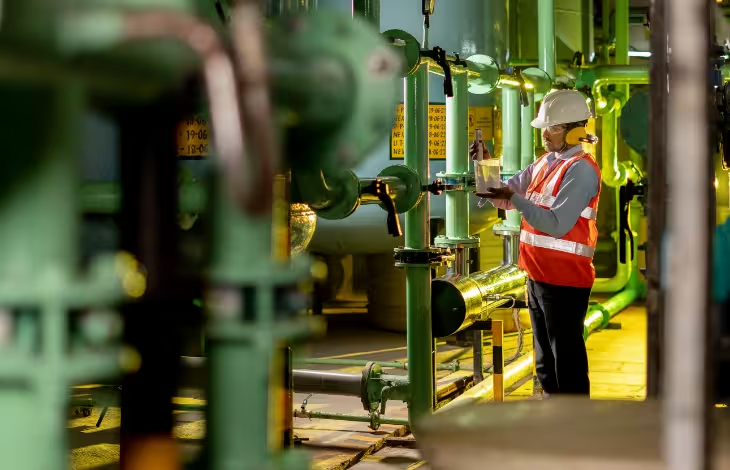
The installation of digital water meters represents our effort to leverage advanced technologies in achieving resource efficiency. By integrating state-of-the-art Internet of Things (IoT)-based water meters, we gain real-time insights and actionable data through a centralized dashboard. This technology enables precise monitoring of water usage, specifically time, location and volume, while also remotely detecting leaks promptly. These detailed consumption pattern reports support informed decision-making, ensuring accurate billing based on actual consumption. Digital water metering not only enhances operational efficiency by identifying inefficiencies but also fosters a proactive approach to water conservation, supporting our long-term sustainability objectives.